
The Best SEO Strategy for Interior Designers Starts With Better Questions

Want help getting found on Google and in AI search? See our approach to SEO for interior designers.
Stop guessing what potential clients search for. Start listening to what they actually ask.
Most interior designers approach SEO backwards.
They start by chasing high-volume keywords like “luxury interior designer” or “best interior designer near me,” hoping rankings alone will bring qualified leads.
But modern SEO does not work that way anymore.
Today, the most effective SEO strategy starts with understanding something far more valuable than keyword volume: client intent.
Because before someone hires an interior designer, they spend weeks (sometimes months) researching, comparing, questioning, and trying to understand what the process actually looks like.
And every one of those questions is a content opportunity.
Your Future Clients Are Already Telling You What They Want
Potential clients are not only searching broad industry phrases. They are searching for reassurance, clarity, pricing expectations, timelines, and proof that you understand their lifestyle and project goals.
They ask things like:
- How much should I budget for a luxury renovation?
- Is full-service interior design worth the investment?
- What happens during the design process?
- How involved do I need to be?
- Should I hire a designer before speaking with a contractor?
- How long does furnishing an entire home take?
- Can an interior designer work with my architect?
These are high-intent searches. The person typing them is not casually browsing beautiful rooms for inspiration. They are actively evaluating whether they are ready to hire someone.
That distinction matters.

Why Search Intent Is Driving SEO Now
Search engines have become significantly better at understanding context, expertise, and relevance.
That means strong SEO content is no longer about stuffing keywords into a page. It is about creating genuinely useful content that answers the exact questions your audience is already asking.
For interior designers, the most effective content usually falls into a few categories:
Client Concerns
Topics around budget, timelines, construction stress, family functionality, or managing large-scale renovations.
Buying Questions
Questions related to pricing, consultations, retainers, design fees, or what working together actually looks like.
Decision-Making Content
Content that helps potential clients determine whether your firm is the right fit for their project, style, location, or level of service.
Project-Specific Searches
Questions tied to real scenarios, such as:
- Designing a second home
- Renovating before move-in
- Furnishing a vacation property
- Creating kid-friendly luxury interiors
- Managing a remodel while living out of state
This is the kind of content that attracts qualified inquiries because it meets people exactly where they are in the decision-making process.
Portfolio Content Alone Is Not Enough
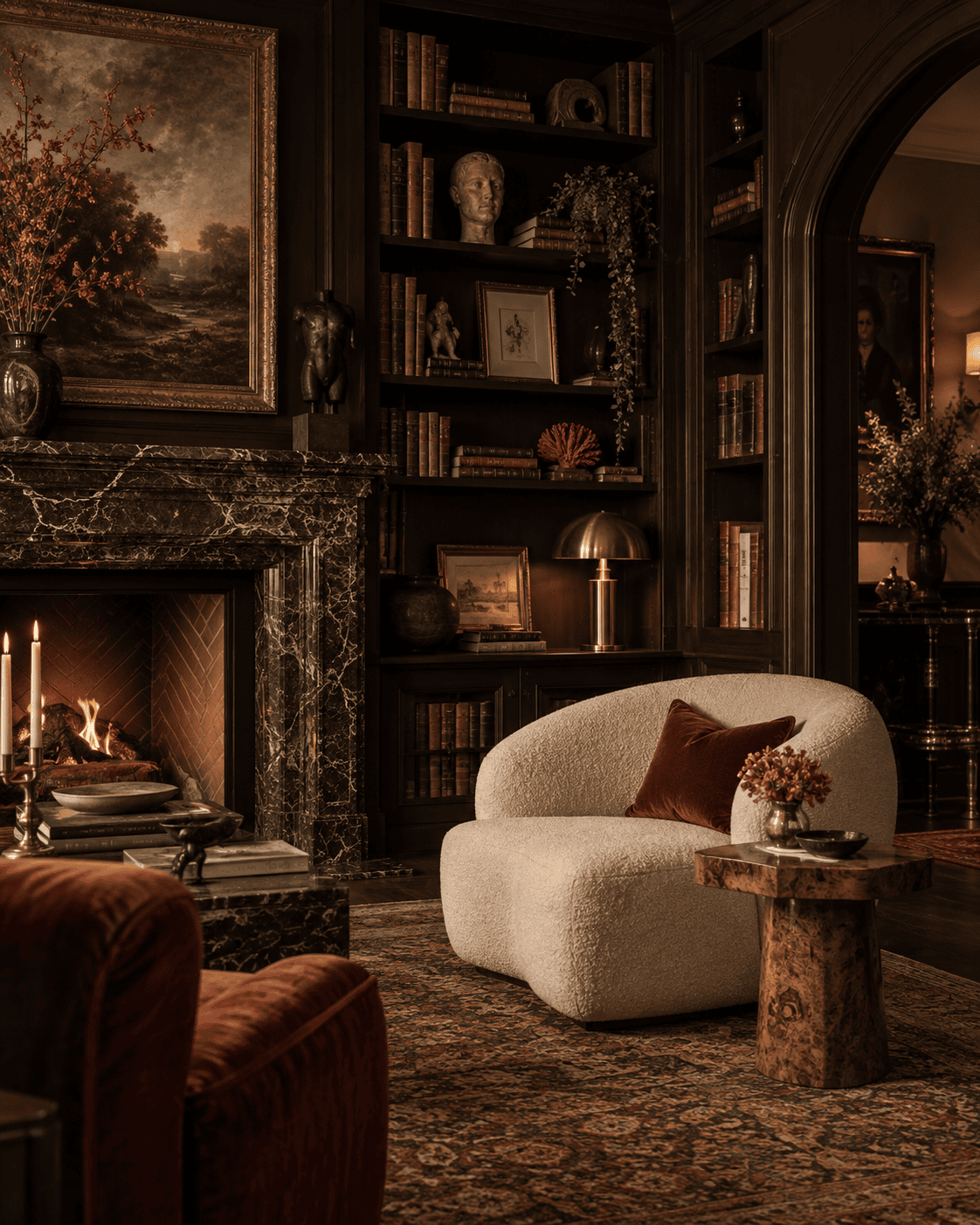
Beautiful project photography absolutely matters. But portfolios typically showcase the outcome, not the journey.
Potential clients still need help understanding:
- What the process feels like
- What problems you solve
- How you think
- What level of investment to expect
- Whether they can trust you with a major project
That is where educational SEO content becomes incredibly powerful.
An article explaining realistic kitchen renovation budgets or the true timeline of furnishing a custom home often does more to convert a lead than another portfolio gallery ever could.
Because trust is built long before the consultation call.
SEO Content Should Pre-Qualify Clients
One of the biggest advantages of intent-driven SEO is that it naturally filters inquiries.
When your content clearly explains your process, project scope, pricing philosophy, and expertise, you attract people who already understand your value before they ever reach out.
That means:
- Better-fit leads
- More educated inquiries
- Higher trust at the consultation stage
- Less time spent on unqualified prospects
The goal is not simply more website traffic.
The goal is attracting the right people — the ones already looking for the exact experience you provide.
How We Approach SEO at Wingnut Social
At Wingnut Social, we build SEO and content strategies around real client behavior. It is the foundation of everything we do in SEO for interior designers.
We focus on:
- The questions potential clients repeatedly ask
- The concerns that delay hiring decisions
- The information people search before making an investment
- The topics search engines associate with expertise in interior design
Because the designers seeing the strongest SEO growth today are not just publishing pretty projects.
They are becoming trusted resources.
And that starts with listening carefully to what potential clients are already trying to figure out.
One practical tip a week
The Weekly Wingnut brings one useful social media, SEO or marketing idea for interior design firms to your inbox every Wednesday. Unsubscribe anytime.



This shift from keyword volume to search intent is essential for service-based businesses. Understanding the ‘why’ behind a search is far more valuable than just chasing rankings.