Google Business Profile for Interior Designers: How to Win More Local Clients
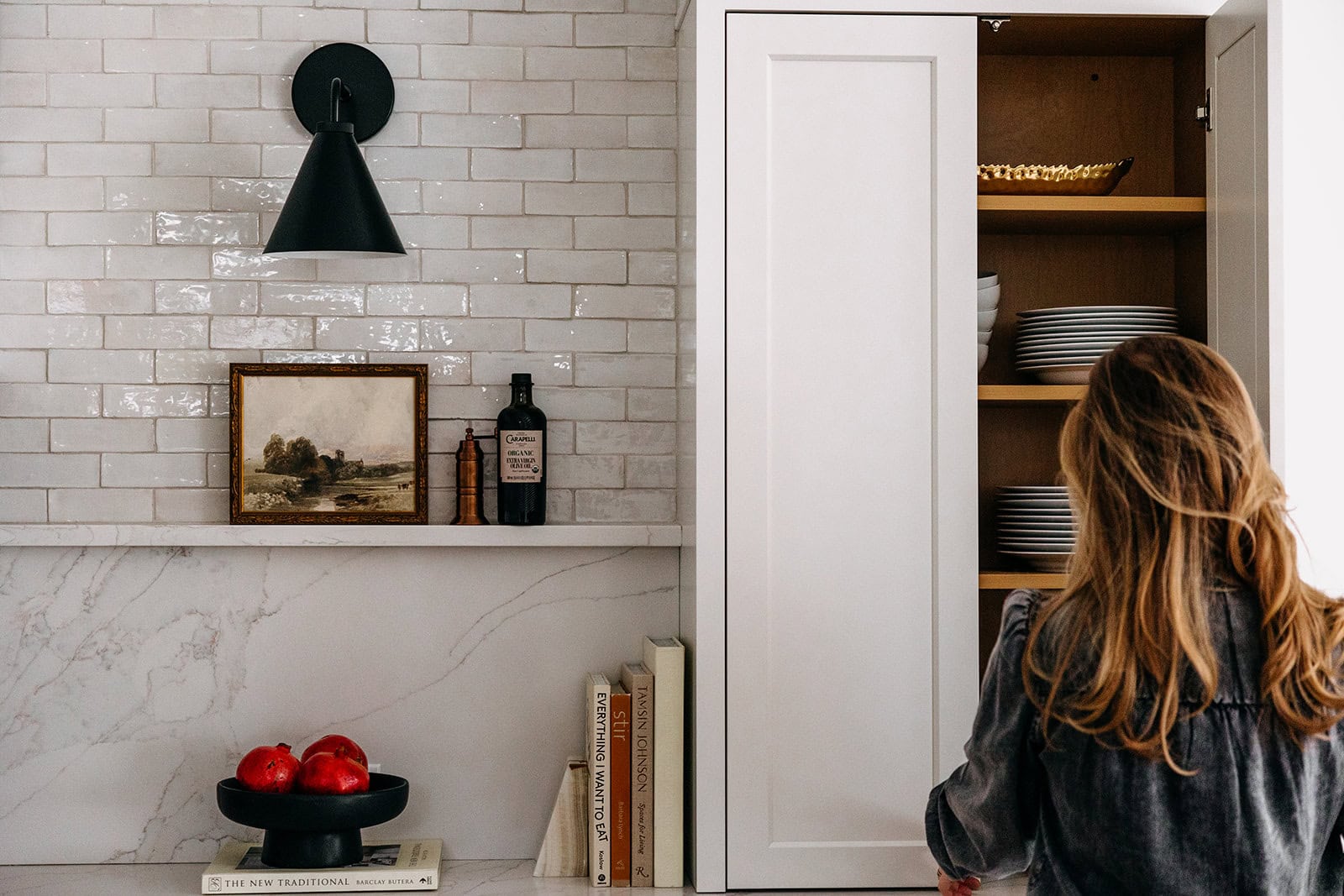
DESIGN: KENDALL DESIGN BUILD · PHOTO: SHELBY DUBIN
When a homeowner searches “interior designer near me,” Google usually shows a map with a few local firms before anyone sees a website. Those listings come from Google Business Profiles. Yours may well be on that list. It may also have last year’s hours and the same six photos from 2021. A complete, active Google Business Profile helps interior designers show up in those results and gives people a reason to call. For most firms, that comes down to the right category, a clear description, real project photography and a steady stream of thoughtful client reviews.
Most firms set up their profile once, in about ten minutes, and haven’t looked at it since. Understandable, since there’s always a client call or an install to get to. But your profile deserves the same care as your Instagram, and the work is smaller than you’d think. Here’s how to do it.
Want help getting found on Google and in AI search? See our approach to SEO for interior designers.
Why does Google Business Profile matter for interior designers?
When someone searches “interior designer near me” or “interior designer in [your city],” Google usually shows a map with a short list of local firms. Those listings come from Business Profiles, not websites. If yours is thin, outdated or missing, a competitor with a better profile gets the first impression.
Google says local results are based on three things: relevance (how well your profile matches the search), distance (how far you are from the searcher) and prominence (how well known your business is, including your reviews and links from other websites). You can’t move your studio closer to every client. You can absolutely improve relevance and prominence. Google also notes there’s no way to pay for a better local ranking, which is either reassuring or annoying, depending on your budget.
How should interior designers set up a Google Business Profile?
Start with the basics, and get them exactly right. Google’s guidelines for representing your business are strict, and a few common shortcuts can get a profile suspended.
| Profile field | What to do | Why it matters |
|---|---|---|
| Business name | Use your real-world firm name only, exactly as it appears on your website and stationery. | Adding keywords or cities (“Smith Interiors | Luxury Interior Designer Charleston”) breaks Google’s rules and can lead to suspension. |
| Primary category | Choose “Interior designer.” Add secondary categories only if they truly describe your core services. | Your category is one of the strongest relevance signals you control. |
| Address or service area | If clients visit your studio during listed hours, show the address. If you work from home or meet clients on site, hide the address and set a service area instead. | Google asks home-based and on-site businesses to hide their address. Service areas generally shouldn’t reach beyond about two hours’ drive from your base. |
| Hours | Keep regular hours current and add special hours for holidays. | Inaccurate details can keep your profile from showing up at all. |
| Description | Explain who you serve, your design approach, your services and the areas you work in. | Descriptions can’t include promotions, prices or links, so focus on what makes your firm the right fit. |
| Services | List each service separately: full-service design, renovation design, furnishing, e-design and so on. | Specific services help Google match you to specific searches. |
| Website link | Link to your homepage or main services page. | This is where most profile visitors go next, so make sure it’s a strong page. |
A quick tip for the website link: add tracking to it so you can see profile traffic in Google Analytics. Google Analytics calls these UTM tags, and Google’s free Campaign URL Builder will create the link for you. Use something like google as the source, organic as the medium and business-profile as the campaign. Otherwise, those visits blend into your regular search traffic and you’ll never know what the profile is doing for you.
What photos should interior designers add to Google Business Profile?
Think of your profile photos as a mini portfolio. Someone scrolling past should get an instant feel for the quality of your work. A few guidelines:
- Lead with finished, professionally photographed projects. These are what prospective clients are judging you on.
- Add a few behind-the-scenes images. Your team, your studio, a material selection in progress. People hire people.
- Skip stock photos and renderings of unbuilt work. Real projects build trust; generic images erode it.
- Check your photography license. Make sure your agreement with the photographer covers use on Google, and credit them where you can.
- Add new photos as projects wrap. A profile with the same six photos from 2021 tells clients you’ve been quiet since then.
How can interior designers get more Google reviews?
Reviews are part of prominence, and they’re often what tips a prospective client from “maybe” to “let’s call.” Most firms don’t have a review problem. They have an asking problem.
The one tip to use this week: add a review request to your project close-out checklist. When you send the final walkthrough summary or closing binder, include a short, personal note and your direct review link (you’ll find it in your profile under “Ask for reviews”). Clients are happiest at the reveal, and a request that arrives with the finished project is far easier to say yes to than one that shows up three months later.
A few rules to follow while you’re at it:
- Ask every client, not just the happiest ones. Google’s policy says businesses may not “selectively solicit positive reviews.”
- Never offer anything in exchange. Discounts, gifts or credits for reviews are against Google’s rules.
- Respond to every review. Thank the client by name, mention something specific about the project and keep private details private. Thoughtful replies show future clients how you treat the people you work with.
- Handle a negative review calmly. Acknowledge it, offer to talk offline and leave the debate out of public view.
Should interior designers post updates on Google Business Profile?
Yes, if you can do it without adding another job to your week. Profile updates let you share a newly photographed project, a press mention or an event, and they show searchers your firm is active. The easiest approach is to reuse what you already create: when a project carousel goes up on Instagram, post the best image and a short caption to your profile too, with a link to the project page on your website.
What happened to Questions and Answers on Google?
Google has been retiring the old Questions and Answers section on Maps listings and replacing it with an AI-powered “Ask” feature, which answers people’s questions using information from your profile and reviews. That makes the rest of your profile more important. If prospective clients often ask whether you take on full renovations, which areas you serve or whether you offer e-design, make sure those answers live in your description, services and photos, where Google can find them.
How do you know if your Business Profile is working?
Once a month, pour a coffee and open your profile’s performance insights. Look at how many people found you through searches, how many visited your website, called or asked for directions, and which search terms led them to you. Pair that with your tracked link in Google Analytics and your consultation bookings, and you’ll see whether profile visitors are turning into inquiries, not just views.
Common Google Business Profile mistakes interior designers make
- Adding keywords or a city to the business name
- Choosing a category that’s close but not quite right
- Showing a home address that should be hidden
- Leaving reviews unanswered for months
- Letting photos go stale
- Forgetting special hours over the holidays (now is a good time to set them)
For more of the website-side issues that hold firms back, see common Google mistakes that hurt your interior design website’s SEO.
How Wingnut Social fits
Wingnut Social was founded in 2018 by an interior designer, and we work only with interior designers, architects and home furnishings brands. Your Business Profile is one of the local signals we review in our SEO Audit & UX Blueprint, alongside your website’s technical health, keyword strategy, content and AI search visibility. You’ll leave with a prioritized plan your team can act on. Learn more about our approach to SEO for interior designers.
If you’d like help making Google work harder for your firm, book a discovery call with our team. We’d be glad to take a look.
One practical tip a week
The Weekly Wingnut brings one useful social media, SEO or marketing idea for interior design firms to your inbox every Wednesday. Unsubscribe anytime.